
What Drives Crude Oil Viscosity and How Do You Reduce It in Production?
Quick answer: Crude oil viscosity is driven mainly by composition and temperature: heavy crudes rich in large molecules and asphaltenes […]

Quick answer: Crude oil viscosity is driven mainly by composition and temperature: heavy crudes rich in large molecules and asphaltenes […]

Discover how octane rating works, including RON, MON, and AKI scales. Learn its relevance for engines, fuels, and compliance in energy, transport, and industrial sectors.

Explore the meaning, measurement, and impact of octane number on gasoline performance, vehicle knock resistance, and fuel selection for process-critical industries.

Explore how fuel oil is classified, handled, and optimized—from distillate to residual grades—for industrial, marine, and energy applications.

Explore naphtha’s properties, applications, processing and safety in oil and gas sectors. Learn how industry specialists enhance its stabilisation and value.

Explore the definition of flash point, how it’s measured, and its critical importance for the safe handling of petroleum products and fuels in the Netherlands.
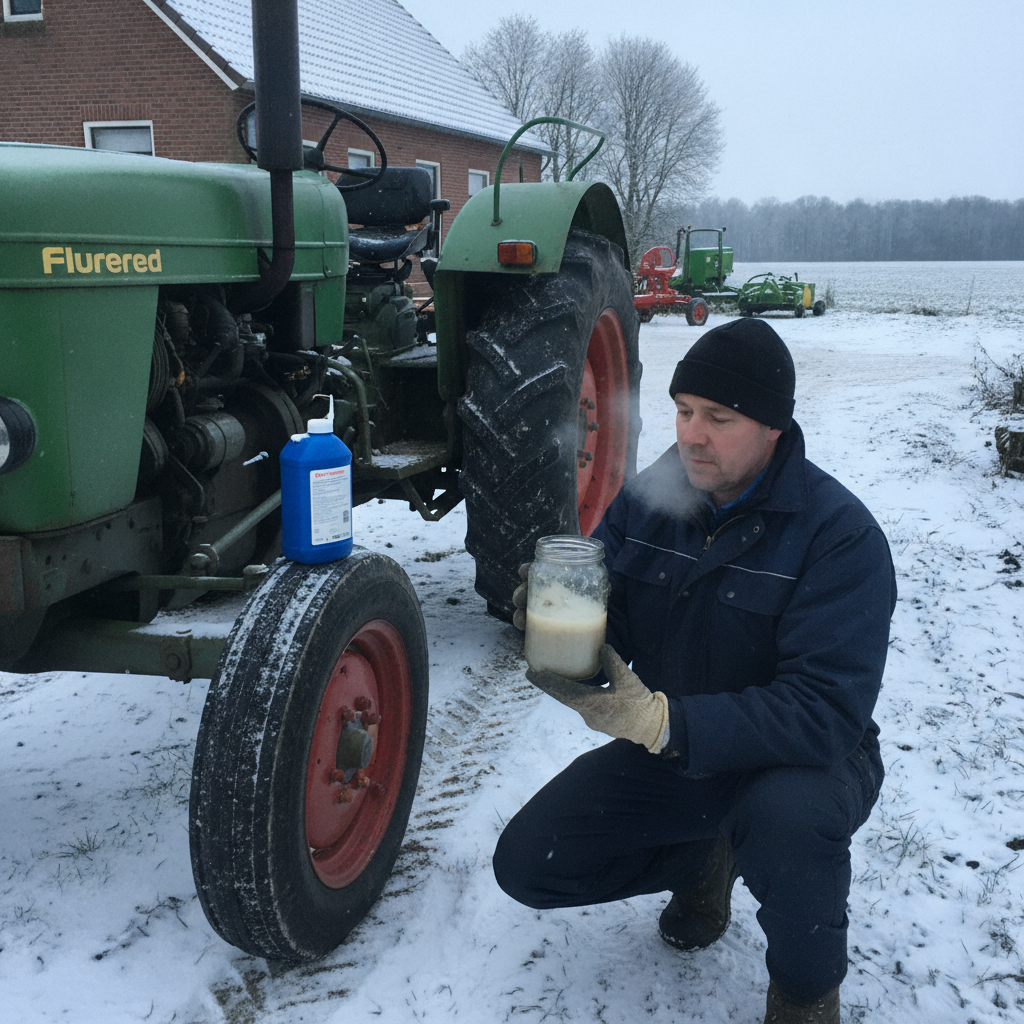
Explore what cloud point means in diesel, how cold flow improvers work, and strategies to enhance fuel performance and safety in cold weather.

Understand heavy fuel oil (HFO): composition, marine bunker fuel use, handling, refinery specs, treatment and compliance challenges for industrial operators.

Understand the flash point of diesel fuel, EN 590 regulatory limits, typical values, and what a low flash point indicates for safety, compliance and operations.

Understand the types of diesel fuel additives, their applications, features, and how they help refiners and terminals address off-spec gasoil in the Netherlands.
Talk to a Rodanco specialist
Tell us what you are working on and our technical team will get back to you.
Prefer to call? +31 72 561 25 71