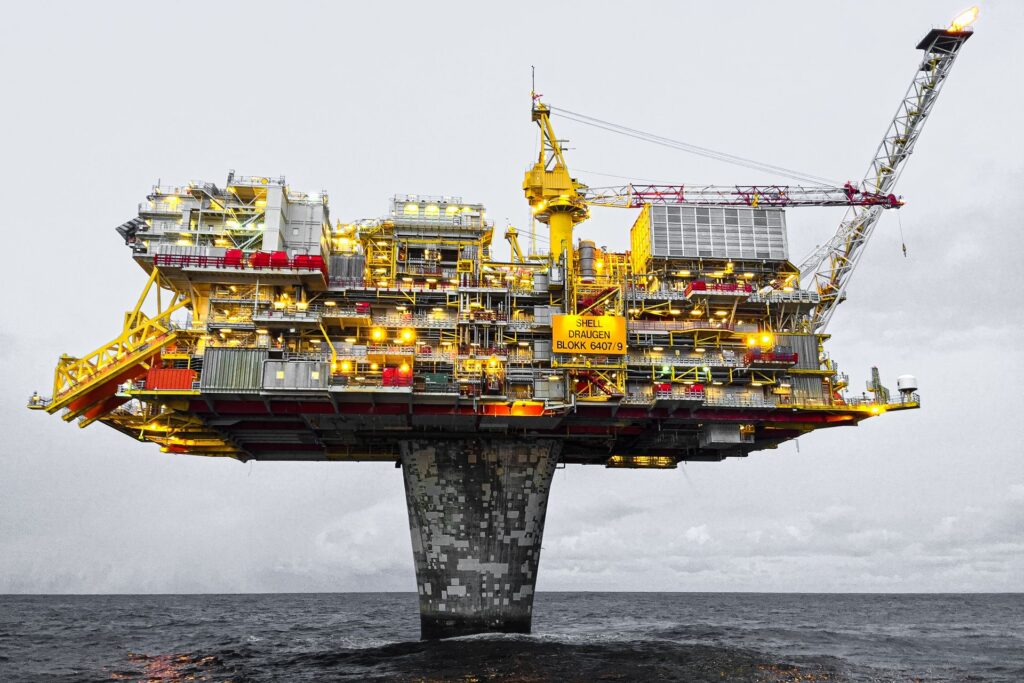
Scale and Corrosion Control in High-Pressure Wells: Choosing Compatible Chemical Treatments
Quick answer: Scale and corrosion often occur together because the same produced water that deposits scale also carries the CO2, […]

Quick answer: Scale and corrosion often occur together because the same produced water that deposits scale also carries the CO2, […]
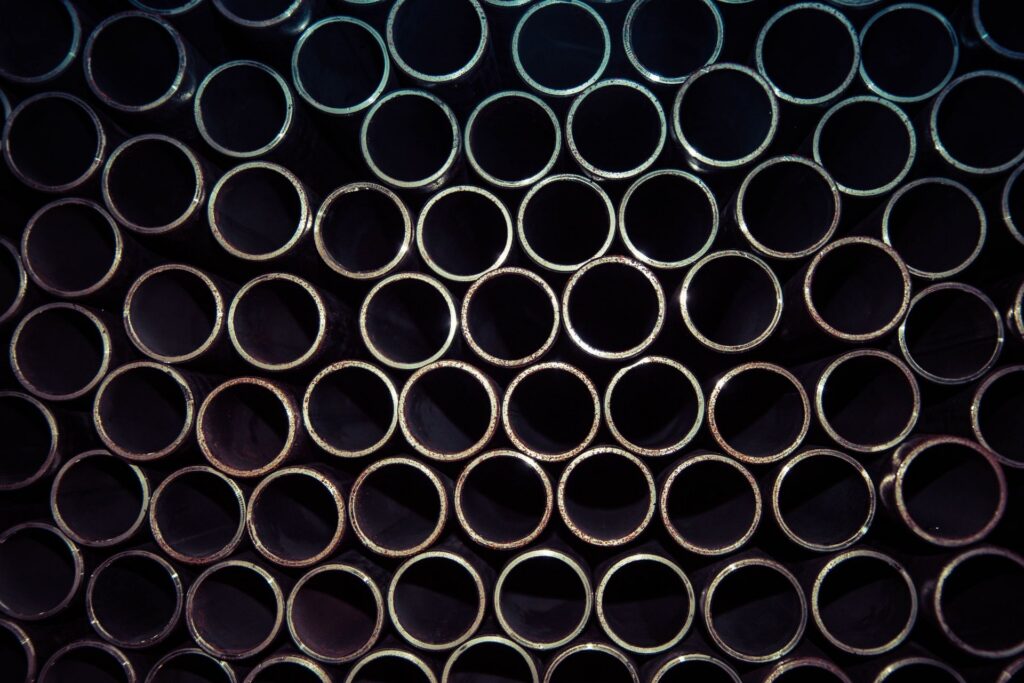
Quick answer: Industrial descaling dissolves mineral scale from equipment using either acid descalers (hydrochloric, sulfamic, or citric acid) that react
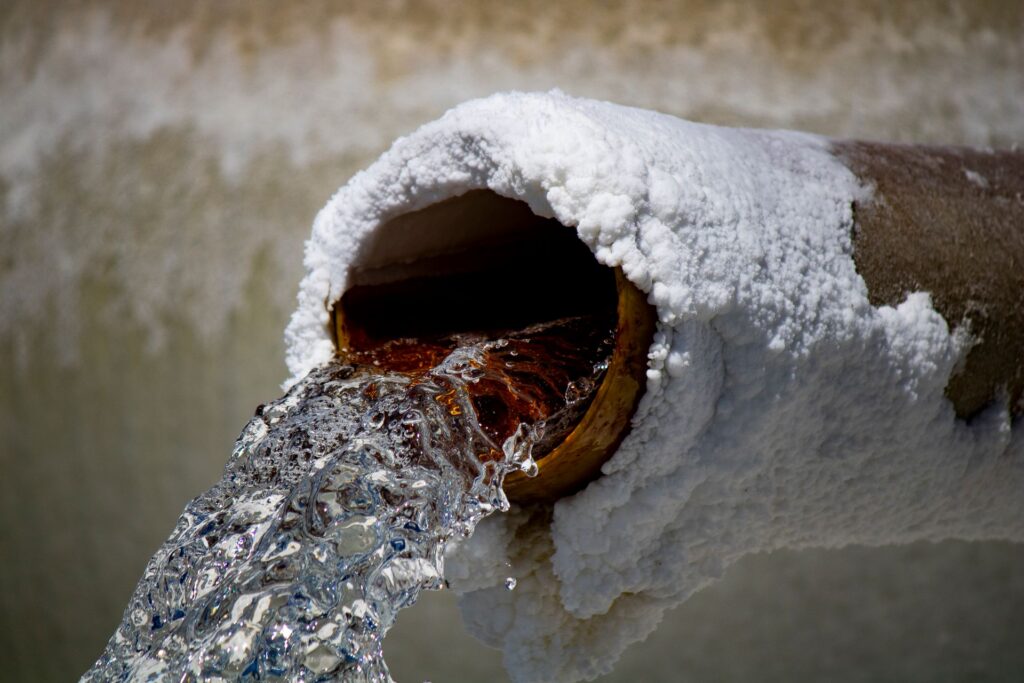
Quick answer: Scale forms in pipelines and flowlines wherever produced water becomes supersaturated — usually at points of pressure drop,
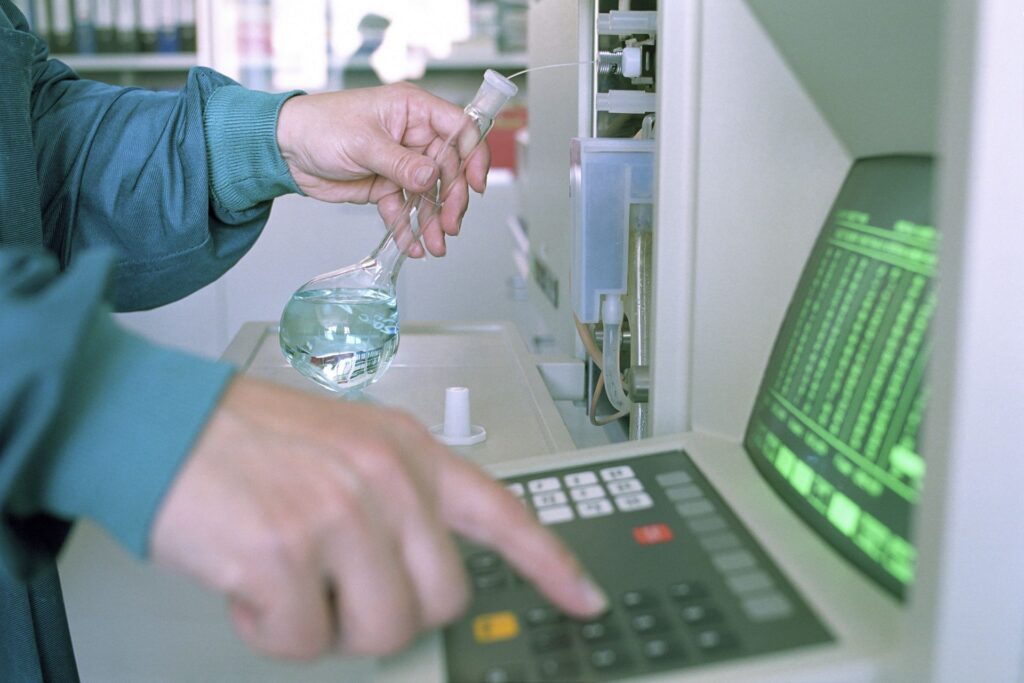
Quick answer: Scaling tendency is a prediction of whether a water will deposit scale under given conditions, calculated from a
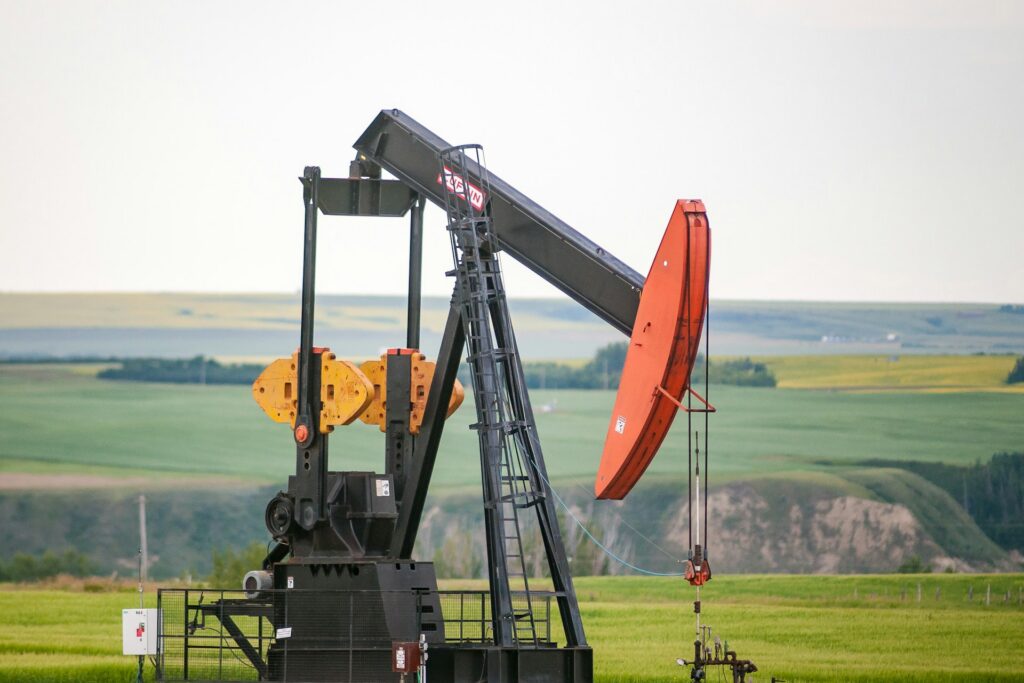
Quick answer: A scale inhibitor is a chemical dosed at only a few parts per million that stops mineral scale
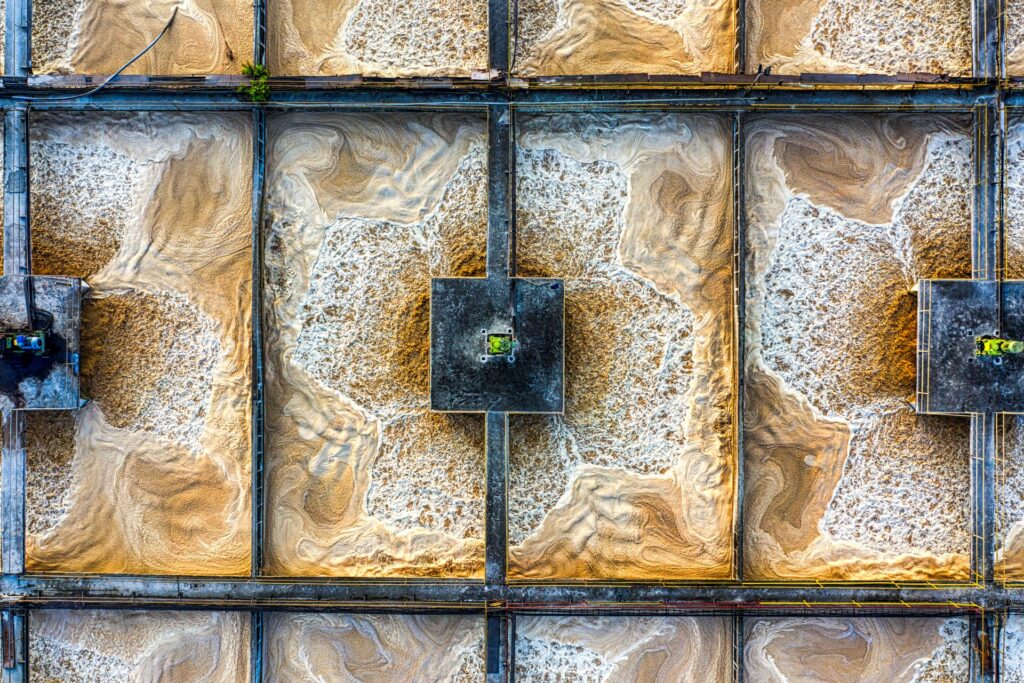
Quick answer: A deoiler — also called a reverse demulsifier or reverse emulsion breaker — is a water-soluble chemical that
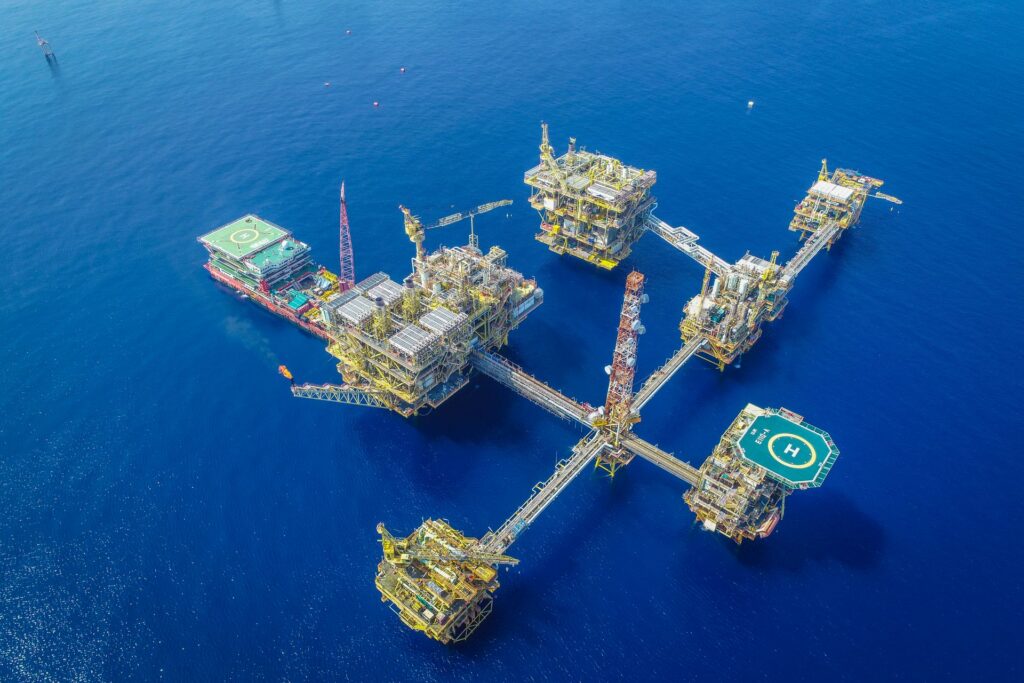
Quick answer: Oil-water separation technologies fall into three groups that are combined into a treatment train. Gravity-based systems (free-water knockouts,
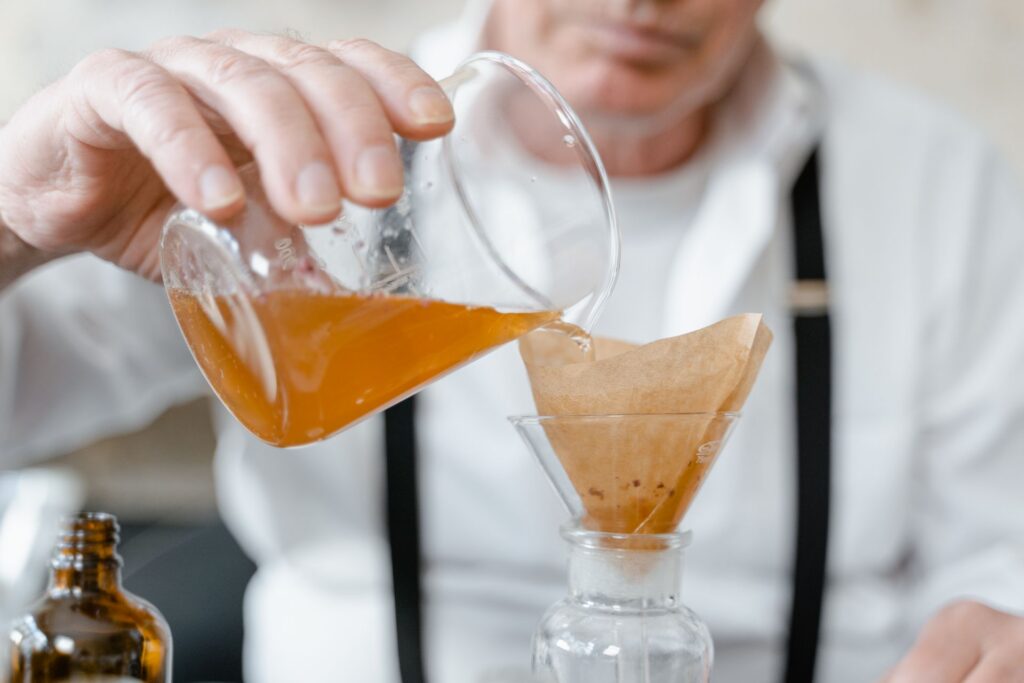
Quick answer: Ordinary filtration cannot separate oil from water, because a plain filter separates solids from liquids — not two
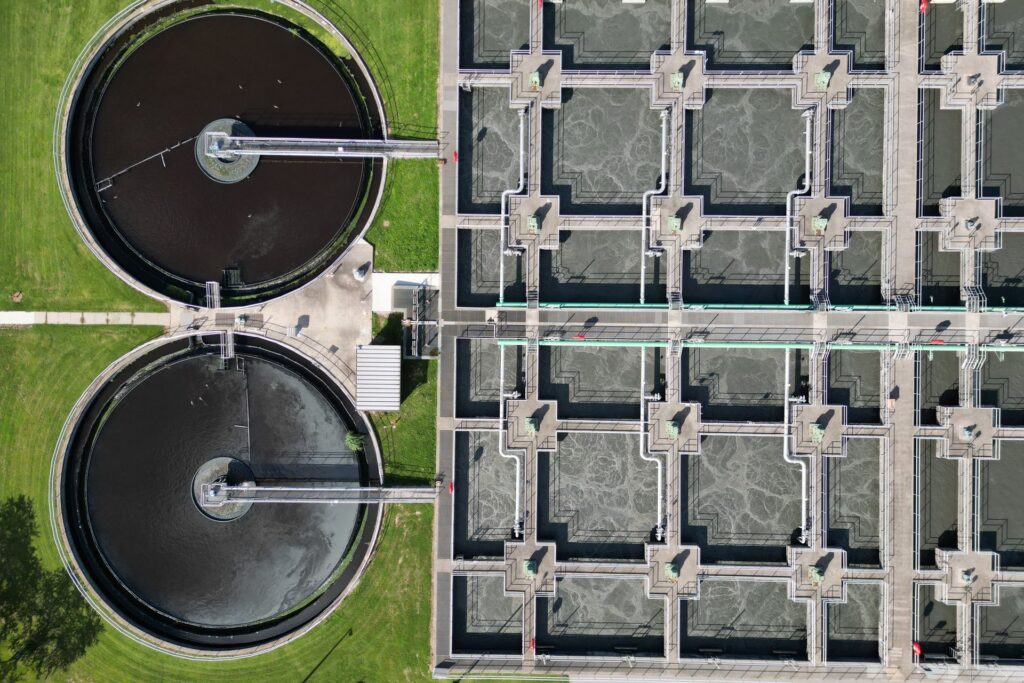
Quick answer: Oil and water are separated using seven main methods, usually in combination: gravity separation (letting density difference do
Quick answer: Emulsifiers and demulsifiers do opposite jobs. An emulsifier is a surfactant that stabilises an emulsion — it lowers