
Innovations Driving Upstream Oil Production Efficiency
The landscape of upstream oil production is rapidly evolving, especially within the Netherlands’ advanced energy sector. Operators are leveraging cutting-edge digital and chemical solutions to address challenges across production, exploration, and asset integrity. As outlined on Rodanco’s upstream solutions page, understanding upstream energy processes and their integration with midstream and downstream operations has become essential for optimizing the entire value chain and ensuring regulatory compliance.
upstream petroleum industry
The upstream petroleum industry is the segment focused on exploration and production of oil and gas resources. This vertical is vital as it discovers and extracts crude resources, which are later processed in the midstream and downstream sectors. New technologies have dramatically improved the process flow from geological surveys to wellhead extraction, enabling greater efficiency in resource development.
- Advancements in reservoir modeling are enhancing exploration precision.
- Automated pump systems are increasing operational uptime.
- Real-time monitoring reduces methane emissions and environmental impact.
- Process optimization allows seamless communication with midstream and downstream sectors.
Leveraging these technologies helps upstream operators manage assets efficiently while meeting environmental and safety standards.
oil and gas industry a research guide
Research within the oil and gas industry supports continual improvements throughout upstream oil production. The industry utilizes a wide variety of data-driven practices that support innovation at each stage of the value chain.
- Geological data analysis assists in pinpointing prospective onshore oil and gas reserves.
- Satellite data and drones are employed for rapid, precise mapping of exploration areas.
- Predictive maintenance technologies help minimize downtime for critical assets and reduce costs.
Comprehensive research and robust data management are pivotal in maintaining upstream, midstream, and downstream efficiency from the earliest stages of gas production onward.
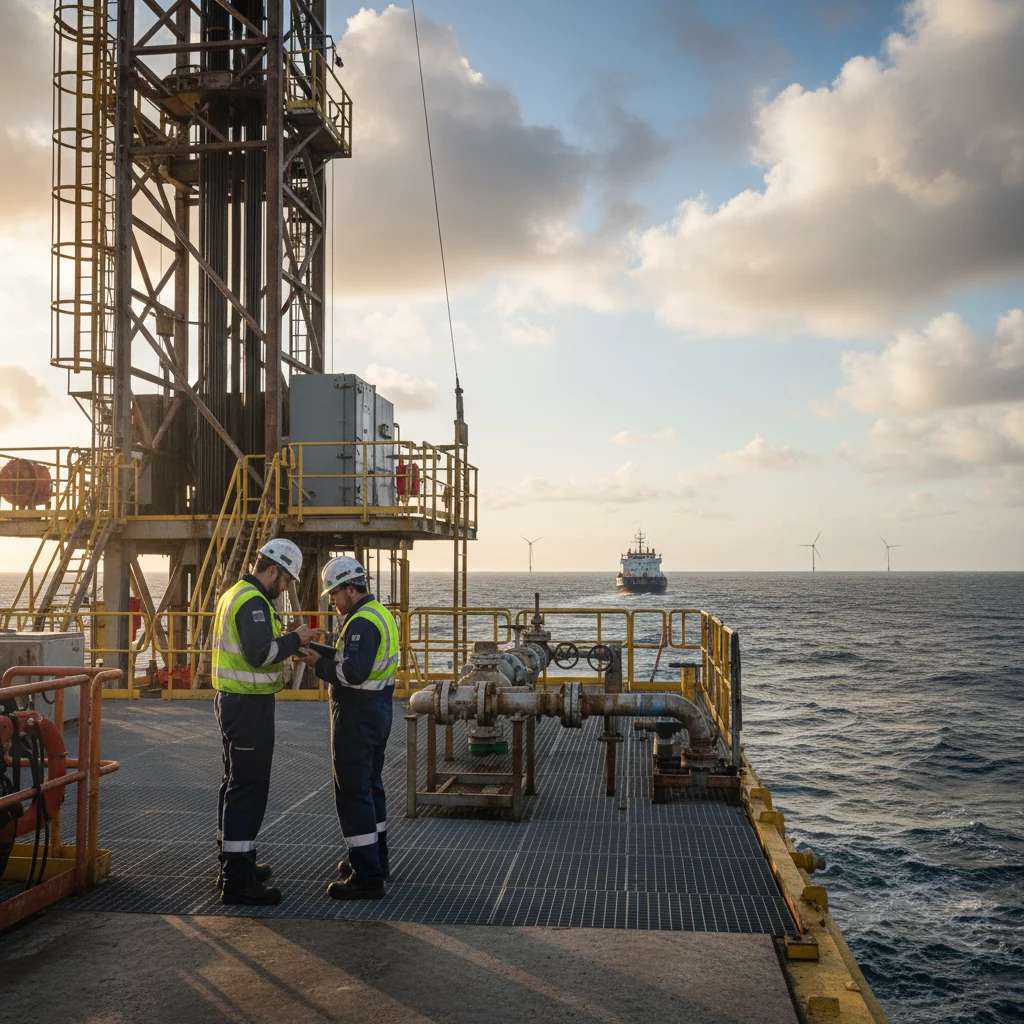
upstream production and exploration
Upstream production and exploration mark the first phases of oil and gas development, centering on identifying, accessing, and extracting hydrocarbon reserves. These operations are crucial for feeding the midstream and downstream pipelines with quality feedstock.
- Seismic imaging and AI-driven analytics streamline exploration success rates.
- Rig automation and digital twin technology increase process control and safety.
- Onshore oil fields benefit from high-throughput chemical formulations and real-time field data collection, as seen on Rodanco’s field expertise page.
- Portfolio diversification across upstream energy resources mitigates operational risks.
Modern exploration methods ensure that both energy sector investments and the downstream supply line remain steady and future-proof.
contents
This guide covers the current state and technological advances in upstream oil production, detailing processes, industry standards, and links to resources such as:
- Laboratory and testing services for upstream additives
- Bacteria management for upstream environments
- Foam and scale management strategies
- Integrated scale management programs
For a deeper exploration of on-the-ground implementation, see insights from Rodanco’s renewables transition.

business
Upstream oil businesses operate in highly regulated, dynamic environments. The upstream sector collaborates closely with midstream and downstream players to maintain an integrated process flow, ensuring output meets ever-evolving quality controls and sustainability targets.
- Firms invest in advanced monitoring to control methane emissions and improve safety records.
- Upstream operators frequently partner with chemical manufacturers specializing in tailored additives for gas production optimization.
- The emphasis on cross-supply value chain collaboration streamlines product movement from extraction to refining and distribution.
High-performance partnerships with companies like Rodanco accelerate technology adoption and foster resilient energy systems for the Netherlands and wider European market.
upstream in iso
International standards (ISO) guide upstream processes, affecting technology adoption throughout the value chain. Adhering to these standards is crucial to maintain trust and compliance in the energy sector, particularly for upstream, midstream, and downstream roles.
- ISO 14001 targets environmental management, focusing on mitigating methane emissions and promoting sustainable operations.
- ISO 9001 ensures quality management practices in upstream oil production and enhances process reliability.
- ISO/TC 67 offers standardized practices across oil and gas production, reinforcing consistency from upstream through and downstream activities.
Fulfilling ISO regulations boosts operational transparency, which helps attract partners in the wider energy sector.
exploration
The exploration phase identifies and evaluates potential oil and gas reserves. Applying state-of-the-art technologies maximizes upstream success and reduces risk.
- Seismic surveys, magnetic resonance, and satellite imagery produce accurate sub-surface maps.
- Risk-based modeling determines where to focus resources and investments.
- Artificial intelligence accelerates data interpretation and strategic decision-making.
Technology-led exploration ensures the upstream energy sector adapts efficiently to global resource demands and industry changes.
production
Production in the upstream industry extracts and processes resources, serving as the crucial input for midstream transport and downstream refining. Efficiency depends on reliable equipment and chemical solutions.
- Smart pump systems minimize downtime and optimize process flow from the wellhead to collection facilities.
- Condition monitoring technology significantly curtails methane emissions.
- Advanced treatment programs improve extraction rates and asset longevity, as demonstrated on Rodanco’s wax management solution page.
By adopting innovative production strategies, upstream operators maintain consistent output for midstream gas production networks and downstream distribution.
resources
Successful upstream operations rely on a blend of physical, chemical, and human resources.
- Cutting-edge digital tools facilitate optimized reservoir development.
- Expertise in upstream midstream downstream oil integration ensures smooth project delivery.
- Access to specialized chemicals enhances onshore oil flow and reduces environmental impact.
- Continuous workforce training keeps operations current with the latest upstream energy developments.
Resource management across the value chain sustains a competitive edge for operators within the turbulent oil and gas industry.
upstream industry codes
Industry codes in the upstream sector provide a framework for safe, compliant, and efficient operations. Success in upstream oil production often depends on understanding and applying these codes effectively.
- Health, safety, and environmental codes establish clear operational benchmarks that auditors track throughout upstream, midstream, and downstream activities.
- Process codes standardize equipment and workflows for improved reliability and safety.
- Examining technical documents and catalogues supports proper implementation, reducing risk in gas production chains.
Awareness and proper application of these codes protect investments and bolster stakeholder confidence.
library of congress catalog searches
Utilizing Library of Congress catalog searches empowers upstream professionals to access the latest research, regulatory guidance, and technical literature.
- Catalogs cover upstream energy best practices, chemical innovations, and technological advancements.
- Information on midstream and and gas downstream integration allows operators to benchmark performance across the value chain.
- Research on methane emissions control, pump optimization, and onshore oil trends expands industry knowledge.
Accessing this wealth of information supports evidence-based decisions that enhance process flow and competitiveness.
notes
The upstream oil production environment is dynamic, requiring ongoing adaptation to new standards, fluctuating market demands, and advances in technology. Vigilant application of regulatory insights and operational learnings drives consistently high performance in this sector.
see also
- Slop oil waste stream treatment innovations
- Water and waste management for upstream applications
- Corrosion control for asset protection
references
- Rodanco. Upstream Solutions. https://rodanco.nl/upstream
- Rodanco. Laboratory Expertise. https://rodanco.nl/laboratory-expertise
- Rodanco. Field Expertise. https://rodanco.nl/field-expertise
external links
- Explore upstream, midstream, and downstream industry standards at ISO.org
Conclusion
Upstream oil production in the Netherlands demonstrates how advanced technology, robust research, and close collaboration across the value chain are optimizing extraction and ensuring a sustainable, efficient energy sector. By integrating innovative solutions and adhering to global standards, operators are better positioned to meet future challenges and opportunities. For tailored chemical strategies, technical support, and compliance guidance, explore Rodanco’s upstream expertise and discover how your operations can benefit from these leading-edge advancements.